
While staying at the Cabo Azul Resort for a friend’s wedding, the ID2T crew was treated to a Tequila tasting at the on-site restaurant, Javier’s. The small tasting was hosted by Rodrigo, who was very knowledgeable and entertaining.
First, he taught us about the history of tequila. Tequila was first produced outside the city of Tequila in the 16th century. Some 80 years later, around 1600, Don Pedro Sánchez de Tagle, the Marquis of Altamira, began mass-producing tequila at the first factory in the territory of modern-day Jalisco. By 1608, the colonial governor of Nueva Galicia had begun to tax his products. Spain’s King Carlos IV granted the Cuervo family the first license to commercially make tequila. Yes, José Cuervo is the oldest official tequila.
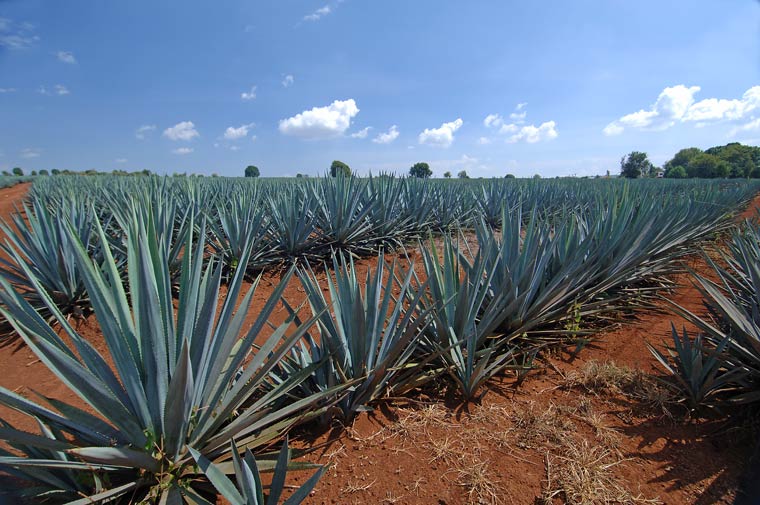
He also told us a little bit about how it is made. They still plant and harvest the blue agave manually. The men who harvest it, the jimadores, have intimate knowledge of how the plants should be cultivated, passed down from generation to generation. Once harvested, the agave is cooked down and the agave nectar extracted. The extracted agave is then placed in wood or steel containers to ferment and then distilled. Once distilled two to three times, the result is tequila blanco. The tequila is then aged for a period of time to develop a darker, amber color. The longer the aging process determines the type of tequila.
There are basically 5 types:
Blanco (“white” or “silver”) – unaged, bottled after distillation
Reposado (“rested”): aged a minimum of two months, but less than a year in oak barrels of any size
Añejo (“aged” or “vintage”): aged a minimum of one year, but less than three years in small oak barrels
Extra Añejo (“extra aged” or “ultra aged”): aged a minimum of three years in oak barrels. This category was established in March 2006.
Reserva de Casa or Reserva de Familia: Limited edition premium and single barrel product.
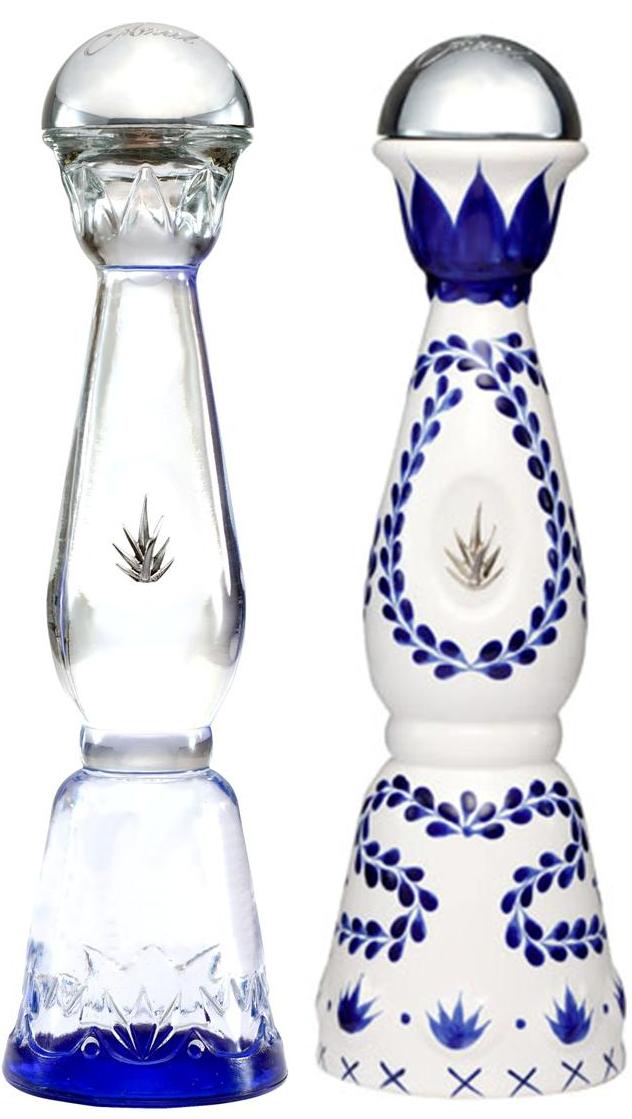
Then we got to sample some. We tasted blanco (white) tequila from Claze Azul – The Case Azul Plata (Retails for about $90). It is crisp, refreshing with a lot of body.
We also tasted the Clase Azul Reposado Tequila (Retails for about $98). This distinctive aged tequila comes in a handcrafted, hand-painted Mexican ceramic bottle. Produced in Jalisco from 100% Blue Weber agave the tequila is twice distilled and aged in fine oak barrels. This has a smokier, oaky flavor, and reminded me of a scotch or whiskey.
Finally, he let us taste a pomegranate infused tequila, but it was syrupy and sweet and not very smooth and we did not like the taste of it. A few flavored tequilas have begun to pop up in the market with different levels of success. The only one I have tried and liked is the 1800 Coconut.
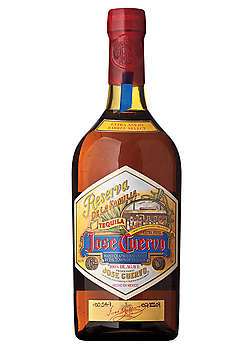
Rodrigo says his favorite is the Jose Cuervo Reserva De La Familia (retails for about $140). While we did not get to try during our tasting, I look forward to trying some soon back here in the states.
Rodrigo also debunked some tequila myths. Like the worm in the bottle story really isn’t about tequila, it is about Mezcal (Tequila’s grandparent which has only grown in popularity in recent years). And the whole lime and salt thing has nothing to do with Tequila in Mexico. Like taking Tequila shots (which Mexicans frown upon), Americans added the whole salt and lime thing too. Tequila is meant to be served and sipped neat with no salt or lime.
I learned some very important things at the tasting:
- There is no such thing as gold tequila. Gold tequila is just tequila blanco with food coloring or sweeteners added. Wow, do I feel bamboozled.
- It is sacrilegious to mix anejo tequila. Why? Because it takes about 14 years from growing and harvesting the agave, to cooking, fermentation, distillation, to bottle. Gotta respect the process!
- It is not tequila and cannot be called Tequila unless it is made in the state of Jalisco or limited regions in the states of Guanajuato, Michoacán, Nayarit, and Tamaulipas (similar to Champagne from Champagne) and is 100% blue agave (yes, there are 51% fake “tequilas” which are made with agave and added sugar)!!
Most importantly to know, Tequila is all about personal taste. The more expensive the tequila does not mean that it is better tequila and definitely doesn’t mean you will like it better. So maybe next time you are out for Taco Tuesday, slow down, and sip on some tequila!!
~I’ll drink to that!

 ID2T = I'll Drink to That